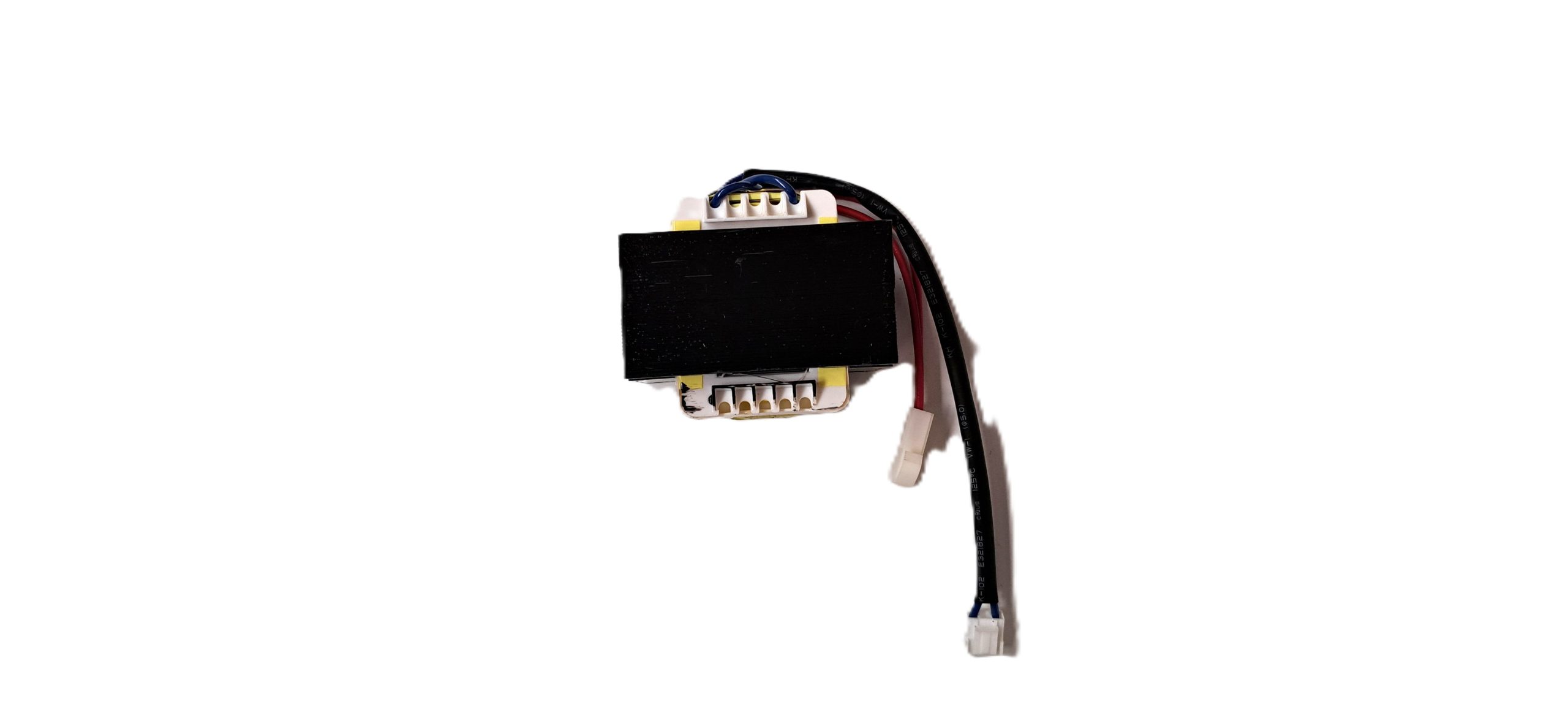
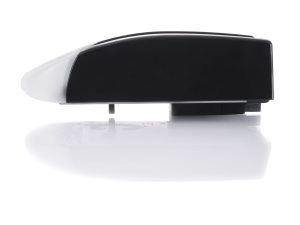
- An internal step-down transformer
- Built into or supplied with the Econo operator/control system
- Used to convert mains voltage → low-voltage control power
From Dortech specs:
- Operators run on 220V AC (1-phase) or 380V AC (3-phase)
That means:
The transformer’s job is to step this down to safe control voltages.
Core function
The transformer does 3 critical jobs:
Voltage conversion
- Input: 220–380V AC (mains)
- Output: Low voltage (typically 24V AC/DC)
Power supply for control system
It powers:
- Control board (logic)
- Relays / contactors
- Accessories:
- Push button
- Photocells
- Receivers
Electrical isolation
- Separates high-voltage motor circuit from:
- Low-voltage control wiring
This improves safety and reliability
Typical transformer specifications
Since Dortech doesn’t publish exact transformer specs, these are accurate real-world specs for this exact class of door operator:
Primary (input)
- Voltage:
- 220–240V AC (single phase)
- OR 380–400V AC (3-phase systems use control transformer off one phase)
- Frequency: 50 Hz (South Africa standard)
Secondary (output)
- Voltage:
Typically 24V AC (industry standard)
- Sometimes:
- 12V DC (for logic circuits)
- 24V DC after rectification
Power rating (very important)
Depends on:
- Number of accessories
- Control board load
Current output example
- 24V, 40VA → ~1.6A output
- 24V, 100VA → ~4A output
How it fits into the Econo system
Here’s the actual power flow:
AC vs DC systems (important distinction)
AC Econo models (600 / 800)
- Transformer supplies:
- Control board (low voltage)
- Motor runs directly on:
DC Econo models (500DC / 750DC)
- Transformer + charger system:
- Converts AC → DC
- Charges battery
- Battery (12V) powers system during outages
Key technical characteristics
Type
- Step-down transformer
- Iron-core laminated type
Output type
- Usually AC output
- Converted to DC on control board (via rectifier)
Protection
- Often includes:
- Thermal protection (internal or external)
- System also has:
- Motor thermal overload protection
Mounting
- Internal (inside control box)
- Or panel-mounted
Real-world equivalent transformer
If you had to replace it, you’d be looking for:
A standard control transformer, e.g.:
- 230V → 24V AC
- 40VA–100VA
- Panel mount
From industry norms:
- “230V to 24V transformer” is the most common spec for door systems
Failure symptoms
If the transformer fails, you’ll typically see:
- No power to control panel
- Push button doesn’t respond
- No LEDs/display
- Accessories dead (photocells, receivers)
But:
- Mains power may still be present at input
How to test it (quick field method)
With a multimeter:
- Check primary:
- Check secondary:
If:
- Input OK
- Output = 0V
Transformer is faulty
Key specs
- Input: 220–380V AC
- Output: ~24V AC (typical)
- Power: 20–100VA
- Function: Power control system
- Location: Inside operator/control panel
- Not a standalone branded product
(The Company reserves the right to amend product specifications and information without notice.)